Buy www3.eu ?
We are moving the project
www3.eu .
Are you interested in purchasing the domain
www3.eu ?
domain@kv-gmbh.de · 0541-91531010
Buy www3.eu ?
Is allosteric inhibition the same as non-competitive inhibition?
Allosteric inhibition and non-competitive inhibition are not the same, although they are related. Non-competitive inhibition refers to the binding of an inhibitor to a site on the enzyme that is not the active site, thereby preventing the substrate from binding to the active site. Allosteric inhibition, on the other hand, occurs when an inhibitor binds to a site on the enzyme that is distinct from the active site, causing a conformational change in the enzyme that reduces its activity. While both types of inhibition involve the binding of an inhibitor to a site other than the active site, allosteric inhibition specifically involves a change in the enzyme's shape and activity. **
What type of inhibition occurs through allosteric activation/inhibition?
Allosteric inhibition occurs when a molecule binds to an allosteric site on an enzyme, causing a conformational change that reduces the enzyme's activity. This type of inhibition is non-competitive, meaning it does not compete with the substrate for the active site. Allosteric activation, on the other hand, occurs when a molecule binds to an allosteric site and enhances the enzyme's activity. Both allosteric inhibition and activation involve the binding of a regulatory molecule to a site other than the active site of the enzyme, leading to a change in the enzyme's activity. **


Similar search terms for Inhibition
Top-Angebote
Products related to Inhibition:
-
Sesderma Reti Age 5 Liposomal Serum Anti-Aging Innovation 30mLA facial serum for wrinkles and signs of ageing. Reduces wrinkles and fine lines. Hydrates and strengthens barrier. Restores youthful radiance. 5-Retinoid System: smooths wrinkles, accelerates renewal, and boosts collagen. Biomimetic Peptides: fill expression lines by stimulating collagen synthesis.53,26 £*Shipping: 5,22 £Secure redirect to the provider
-
3M Future Soft Cervical CollarHealth and Beauty Orthopedics 3M Future Soft Cervical Collar Provides comfort and support for stiff and injured necks. Ideal for: Use as directed by a doctor: neck impingement or stiffness; increased comfort after whiplash. Adjustable girth and height for a personalized fit. Comfortable for use day or night.23,04 £*Shipping: 4,99 £Secure redirect to the provider
-
3M Future Sling One SizeHealth and Beauty Orthopedics 3M Future Sling One Size Helps support the weight of your arm. Provides support during recovery from a broken bone, sprain, surgery, or for general arm support. A pad cushions pressure on the shoulder. A thumb loop keeps your hand in the ideal position and helps reduce fatigue. The FUTURO™ sling lends a helping hand to keep your arm in the optimal position and speed healing. The padded, adjustable shoulder strap holds the support pocket for a comfortable, custom fit that keeps your arm in place and minimizes movement. With its convenient buckle strap, easily adjustable with one hand, the FUTURO™ sling allows you to comfortably continue 100% of your daily life.15,64 £*Shipping: 4,99 £Secure redirect to the provider
-
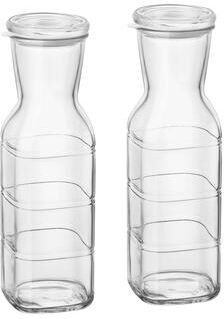
Bormioli Rocco Frigoverre Future PitcherBormioli Rocco Frigoverre Future Glass Carafe, 33.75 oz, with Silicone Gasket Lid – Durable Airtight Pitcher for Water, Juice & Wine – Freezer & Microwave Safe – Italian Glass Beverage Server - New Enhance your beverage presentation with the Bormioli…34,49 $*Shipping: 0,00 $Secure redirect to the provider


-
What is the difference between competitive inhibition and allosteric inhibition?
Competitive inhibition occurs when a molecule competes with the substrate for the active site of an enzyme, effectively blocking the substrate from binding and inhibiting the enzyme's activity. In contrast, allosteric inhibition occurs when a molecule binds to a site on the enzyme other than the active site, causing a conformational change that reduces the enzyme's activity. While competitive inhibition directly competes with the substrate for the active site, allosteric inhibition involves binding to a different site on the enzyme to regulate its activity. **
-
Is allosteric inhibition irreversible?
Allosteric inhibition is typically reversible, meaning that the inhibitor can bind to the allosteric site and block the activity of the enzyme, but can also dissociate from the site, allowing the enzyme to regain its activity. This is in contrast to irreversible inhibition, where the inhibitor forms a covalent bond with the enzyme, permanently inactivating it. **
-
Non-competitive inhibition, right?
Non-competitive inhibition is a type of enzyme inhibition where the inhibitor binds to a site on the enzyme that is not the active site. This binding causes a conformational change in the enzyme, making it less effective at catalyzing the reaction. Non-competitive inhibitors do not compete with the substrate for binding to the enzyme. Instead, they can bind to the enzyme-substrate complex or to a separate allosteric site on the enzyme. **
-
What is allosteric inhibition?
Allosteric inhibition is a type of enzyme regulation where a molecule binds to a site on the enzyme that is different from the active site, causing a conformational change in the enzyme's structure. This change reduces the enzyme's activity and ability to bind to its substrate, ultimately inhibiting its function. Allosteric inhibition is a reversible process and can be used to regulate enzyme activity in response to changing cellular conditions. **

What is the difference between allosteric inhibition and competitive inhibition in biology?
Allosteric inhibition occurs when a molecule binds to an allosteric site on an enzyme, causing a conformational change that reduces the enzyme's activity. This type of inhibition is non-competitive and can affect multiple enzymes in a metabolic pathway. On the other hand, competitive inhibition occurs when a molecule competes with the substrate for the active site of the enzyme, effectively blocking the substrate from binding and reducing the enzyme's activity. Competitive inhibition can be overcome by increasing the concentration of the substrate, while allosteric inhibition cannot be overcome in the same way. **
What is the difference between non-competitive inhibition and allosteric inhibition in biochemistry?
Non-competitive inhibition occurs when an inhibitor binds to an enzyme at a site other than the active site, causing a conformational change in the enzyme that reduces its activity. This type of inhibition does not compete with the substrate for binding to the active site. On the other hand, allosteric inhibition occurs when an inhibitor binds to an allosteric site on the enzyme, causing a conformational change that reduces the enzyme's activity. Allosteric inhibition can be reversible or irreversible, and it can be overcome by increasing the concentration of the substrate. **
Top-Angebote
Products related to Inhibition:
-
Magrathea Publishing The Anthology of Balaji: A Guide to Technology, Truth, and Building the FutureHow do you thrive in an unknown future? When you can’t see past the world we have now, look to visionaries like Balaji Srinivasan. His ideas show us how to build a healthier, brighter, and more technologically-advanced humanity. In The Anthology of Balaji: A Guide to Technology, Truth, and Building the Future, Eric Jorgenson curates a collection of Balaji’s wisdom from his entire career. In “Technology” you will see how technology shapes our world today and the ways it could shape our future. In “Truth” you learn how to think for yourself through the constant clamor of information and media. Finally, in “Building the Future,” you will learn how to wield Technology and Truth to change your life, change your community, and—maybe—change the future of our species. This guide will help you pick the next great investment, start a billion-dollar company, or even a new country. The Anthology of Balaji helps you visualize and build your brightest future.5,95 £*Shipping: 2,99 £Secure redirect to the provider
-
Allen Lane Breakneck: China's Quest to Engineer the Future by Dan Wang - Hardback Non Fiction - China, Technology & Geopolitics - New York Times BestsellerBreakneck is a sharp, firsthand account of China's technological rise, written by Dan Wang, a former Beijing-based analyst who spent nearly a decade observing the country's infrastructure boom up close. Wang argues that China has become an engineering state, building bridges, railways, and factories at astonishing speed, while America has drifted into a society mired in litigation and delay. This book is a timely and provocative exploration of the shifting balance of global power, and why ambition, execution, and infrastructure now define the contest between two superpowers. In Breakneck, Dan Wang draws on his years living in China to explain how the country's engineers-turned-politicians reshaped its economy through sheer scale and speed of execution. He traces the construction of high-speed rail networks, semiconductors, and other key infrastructure projects that have driven China's rapid growth.24,99 £*Shipping: 2,99 £Secure redirect to the provider
-
Sesderma Reti Age 5 Liposomal Serum Anti-Aging Innovation 30mLA facial serum for wrinkles and signs of ageing. Reduces wrinkles and fine lines. Hydrates and strengthens barrier. Restores youthful radiance. 5-Retinoid System: smooths wrinkles, accelerates renewal, and boosts collagen. Biomimetic Peptides: fill expression lines by stimulating collagen synthesis.53,26 £*Shipping: 5,22 £Secure redirect to the provider
-
3M Future Soft Cervical CollarHealth and Beauty Orthopedics 3M Future Soft Cervical Collar Provides comfort and support for stiff and injured necks. Ideal for: Use as directed by a doctor: neck impingement or stiffness; increased comfort after whiplash. Adjustable girth and height for a personalized fit. Comfortable for use day or night.23,04 £*Shipping: 4,99 £Secure redirect to the provider
-
Is allosteric inhibition the same as non-competitive inhibition?
Allosteric inhibition and non-competitive inhibition are not the same, although they are related. Non-competitive inhibition refers to the binding of an inhibitor to a site on the enzyme that is not the active site, thereby preventing the substrate from binding to the active site. Allosteric inhibition, on the other hand, occurs when an inhibitor binds to a site on the enzyme that is distinct from the active site, causing a conformational change in the enzyme that reduces its activity. While both types of inhibition involve the binding of an inhibitor to a site other than the active site, allosteric inhibition specifically involves a change in the enzyme's shape and activity. **
-
What type of inhibition occurs through allosteric activation/inhibition?
Allosteric inhibition occurs when a molecule binds to an allosteric site on an enzyme, causing a conformational change that reduces the enzyme's activity. This type of inhibition is non-competitive, meaning it does not compete with the substrate for the active site. Allosteric activation, on the other hand, occurs when a molecule binds to an allosteric site and enhances the enzyme's activity. Both allosteric inhibition and activation involve the binding of a regulatory molecule to a site other than the active site of the enzyme, leading to a change in the enzyme's activity. **
-
What is the difference between competitive inhibition and allosteric inhibition?
Competitive inhibition occurs when a molecule competes with the substrate for the active site of an enzyme, effectively blocking the substrate from binding and inhibiting the enzyme's activity. In contrast, allosteric inhibition occurs when a molecule binds to a site on the enzyme other than the active site, causing a conformational change that reduces the enzyme's activity. While competitive inhibition directly competes with the substrate for the active site, allosteric inhibition involves binding to a different site on the enzyme to regulate its activity. **
-
Is allosteric inhibition irreversible?
Allosteric inhibition is typically reversible, meaning that the inhibitor can bind to the allosteric site and block the activity of the enzyme, but can also dissociate from the site, allowing the enzyme to regain its activity. This is in contrast to irreversible inhibition, where the inhibitor forms a covalent bond with the enzyme, permanently inactivating it. **
Similar search terms for Inhibition
-
3M Future Sling One SizeHealth and Beauty Orthopedics 3M Future Sling One Size Helps support the weight of your arm. Provides support during recovery from a broken bone, sprain, surgery, or for general arm support. A pad cushions pressure on the shoulder. A thumb loop keeps your hand in the ideal position and helps reduce fatigue. The FUTURO™ sling lends a helping hand to keep your arm in the optimal position and speed healing. The padded, adjustable shoulder strap holds the support pocket for a comfortable, custom fit that keeps your arm in place and minimizes movement. With its convenient buckle strap, easily adjustable with one hand, the FUTURO™ sling allows you to comfortably continue 100% of your daily life.15,64 £*Shipping: 4,99 £Secure redirect to the provider
-
Bormioli Rocco Frigoverre Future PitcherBormioli Rocco Frigoverre Future Glass Carafe, 33.75 oz, with Silicone Gasket Lid – Durable Airtight Pitcher for Water, Juice & Wine – Freezer & Microwave Safe – Italian Glass Beverage Server - New Enhance your beverage presentation with the Bormioli…34,49 $*Shipping: 0,00 $Secure redirect to the provider
-
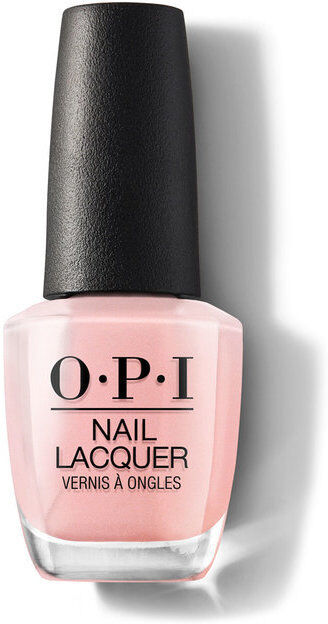
Opi Nail Lacquer 79 Rosy FutureHealth and Beauty Nails Opi Nail Lacquer 79 Rosy Future Inspired by the boundless energy and creativity of the world's metropolis, OPI's Tokyo Collection brings the multifaceted city to life in twelve new shades of colour. OPI Nail Lacquer is the original nail polish formula that elevates nail color to a higher level, the best choice for those who renew their manicure every week. Known for their exceptional quality formula, modern colors and iconic names, OPI's highly pigmented nail polishes are super-rich, durable and chip resistant, adored by beauty professionals and affordable luxury. For nail polish addicts. -Classic Nail Polish -Highest quality formula. -Applied in 3 steps. -Wait up to 7 days Contents: 15 ml10,83 £*Shipping: 3,99 £Secure redirect to the provider
-
Mobi Peeka Development MirrorPEEKA® developmental mirror was designed by our team of doctors, therapists and parents to help children explore, learn and grow. When you place PEEKA® in the hands of your little ones, you will be amazed at the variety of ways they find to play...26,99 $*Shipping: 0,00 $Secure redirect to the provider
-
Non-competitive inhibition, right?
Non-competitive inhibition is a type of enzyme inhibition where the inhibitor binds to a site on the enzyme that is not the active site. This binding causes a conformational change in the enzyme, making it less effective at catalyzing the reaction. Non-competitive inhibitors do not compete with the substrate for binding to the enzyme. Instead, they can bind to the enzyme-substrate complex or to a separate allosteric site on the enzyme. **
-
What is allosteric inhibition?
Allosteric inhibition is a type of enzyme regulation where a molecule binds to a site on the enzyme that is different from the active site, causing a conformational change in the enzyme's structure. This change reduces the enzyme's activity and ability to bind to its substrate, ultimately inhibiting its function. Allosteric inhibition is a reversible process and can be used to regulate enzyme activity in response to changing cellular conditions. **
-
What is the difference between allosteric inhibition and competitive inhibition in biology?
Allosteric inhibition occurs when a molecule binds to an allosteric site on an enzyme, causing a conformational change that reduces the enzyme's activity. This type of inhibition is non-competitive and can affect multiple enzymes in a metabolic pathway. On the other hand, competitive inhibition occurs when a molecule competes with the substrate for the active site of the enzyme, effectively blocking the substrate from binding and reducing the enzyme's activity. Competitive inhibition can be overcome by increasing the concentration of the substrate, while allosteric inhibition cannot be overcome in the same way. **
-
What is the difference between non-competitive inhibition and allosteric inhibition in biochemistry?
Non-competitive inhibition occurs when an inhibitor binds to an enzyme at a site other than the active site, causing a conformational change in the enzyme that reduces its activity. This type of inhibition does not compete with the substrate for binding to the active site. On the other hand, allosteric inhibition occurs when an inhibitor binds to an allosteric site on the enzyme, causing a conformational change that reduces the enzyme's activity. Allosteric inhibition can be reversible or irreversible, and it can be overcome by increasing the concentration of the substrate. **
* All prices are inclusive of VAT and, if applicable, plus shipping costs. The offer information is based on the details provided by the respective shop and is updated through automated processes. Real-time updates do not occur, so deviations can occur in individual cases. ** Note: Parts of this content were created by AI.