Buy www3.eu ?
We are moving the project
www3.eu .
Are you interested in purchasing the domain
www3.eu ?
domain@kv-gmbh.de · 0541-91531010
Buy www3.eu ?
Does the internal combustion engine have a future?
The future of the internal combustion engine is uncertain due to increasing concerns about climate change and the push for cleaner, more sustainable energy sources. Many countries and companies are investing heavily in electric vehicles and other alternative technologies to reduce emissions and dependence on fossil fuels. However, internal combustion engines are still widely used in many industries and applications, so they may continue to play a role in the transportation sector for some time. Ultimately, the future of the internal combustion engine will depend on how quickly and effectively the transition to cleaner technologies can be made. **
How much development potential is still in combustion engine cars?
While combustion engine cars have been the dominant technology for decades, there is still some development potential left in them. Manufacturers are continuously working on improving the efficiency and reducing emissions of combustion engines through advancements in technology such as turbocharging, direct injection, and variable valve timing. However, the long-term future of combustion engine cars is uncertain due to the increasing focus on electric vehicles and stricter emissions regulations. As a result, the development potential for combustion engine cars may be limited compared to electric vehicles. **


Similar search terms for Combustion
Top-Angebote
Products related to Combustion:
-
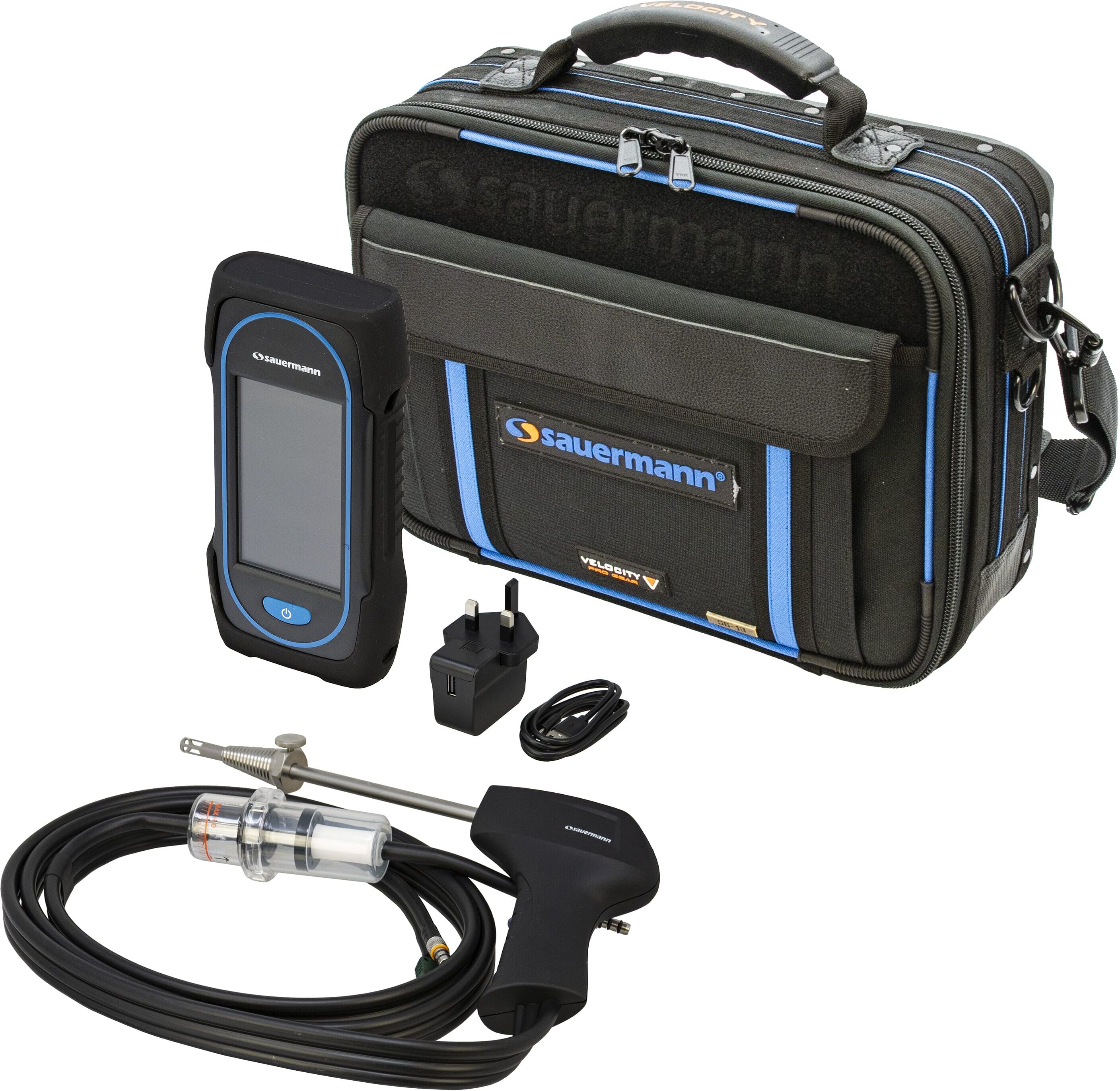
Sauermann Si-CA 130 Elite Combustion Flue Gas AnalyserSauermann Si-CA 130 Elite Combustion Flue Gas Analyser Multi-Gas Combustion Analysis for Residential & Commercial Systems The Sauermann Si-CA 130 Elite is an advanced combustion flue gas analyser in a compact, ergonomic package, built for residential and commercial gas system monitoring. The base unit ships with two field-replaceable sensors — O₂ and CO (up to 8,000 ppm) — with NO or low-range NO available to add a third sensor for accurate NOx measurement, including in low NOx or high moisture environments. Built-in diagnostics such as sensor life indicators and calibration reminders help minimise downtime. The analyser calculates CO₂ percentage, combustion efficiency and excess air, and measures draft and differential pressure. It also monitors CO and CO₂ in ambient air, giving a combined safety and performance tool for combustion e772,44 £*Shipping: 0,00 £Secure redirect to the provider
-
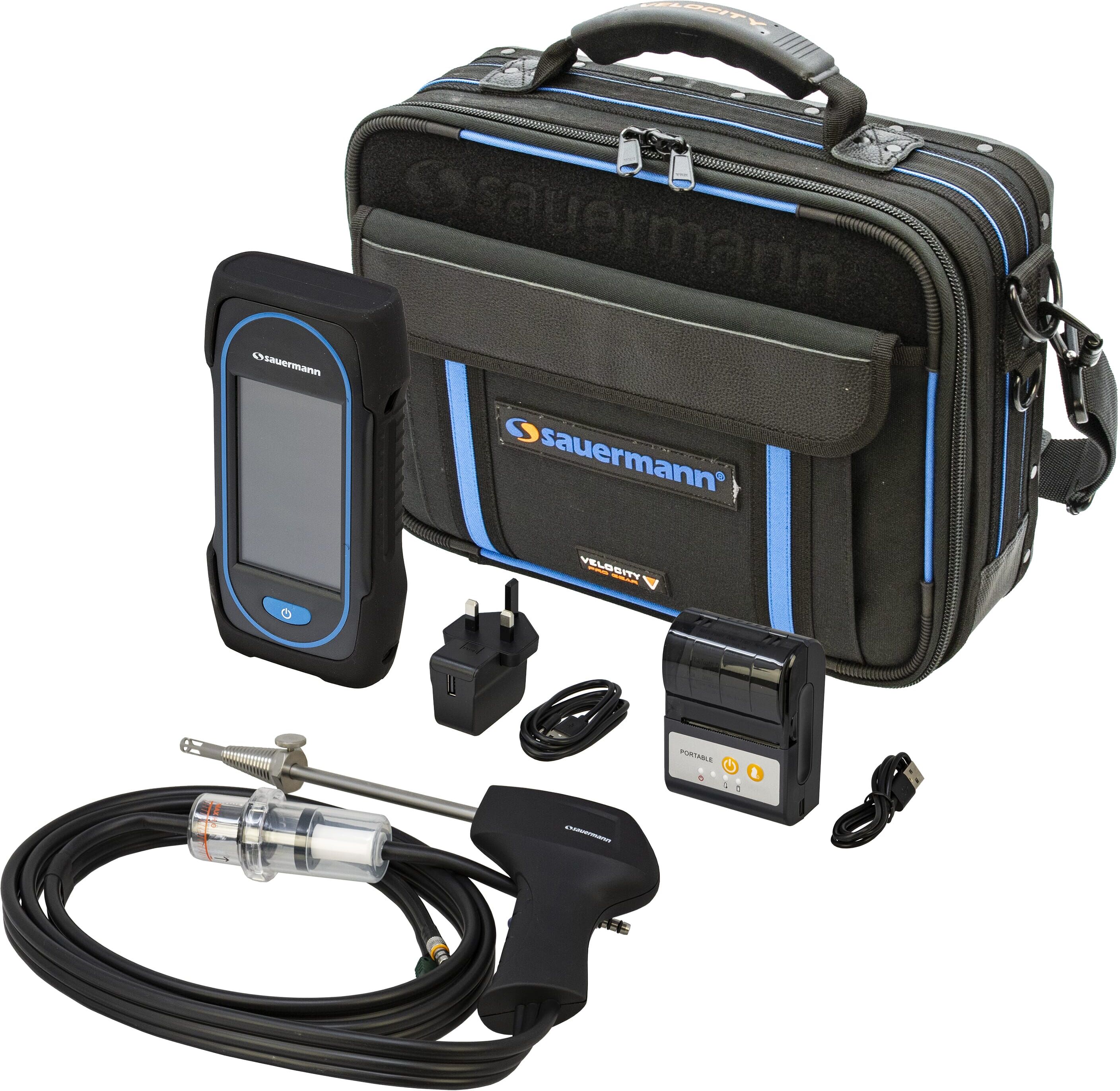
Sauermann Si-CA 130 Elite Combustion Flue Gas Analyser - Printer KitSauermann Si-CA 130 Elite Combustion Flue Gas Analyser – Printer Kit Multi-Gas Combustion Analysis for Residential & Commercial Systems The Sauermann Si-CA 130 Elite Printer Kit is an advanced combustion flue gas analyser in a compact, ergonomic package, built for residential and commercial gas system monitoring. The base unit ships with two field-replaceable sensors — O₂ and CO (up to 8,000 ppm) — with NO or low-range NO available to add a third sensor for accurate NOx measurement, including in low NOx or high moisture environments. Built-in diagnostics such as sensor life indicators and calibration reminders help minimise downtime. The analyser calculates CO₂ percentage, combustion efficiency and excess air, and measures draft and differential pressure. It also monitors CO and CO₂ in ambient air, giving a combined safety and perfo893,35 £*Shipping: 0,00 £Secure redirect to the provider
-
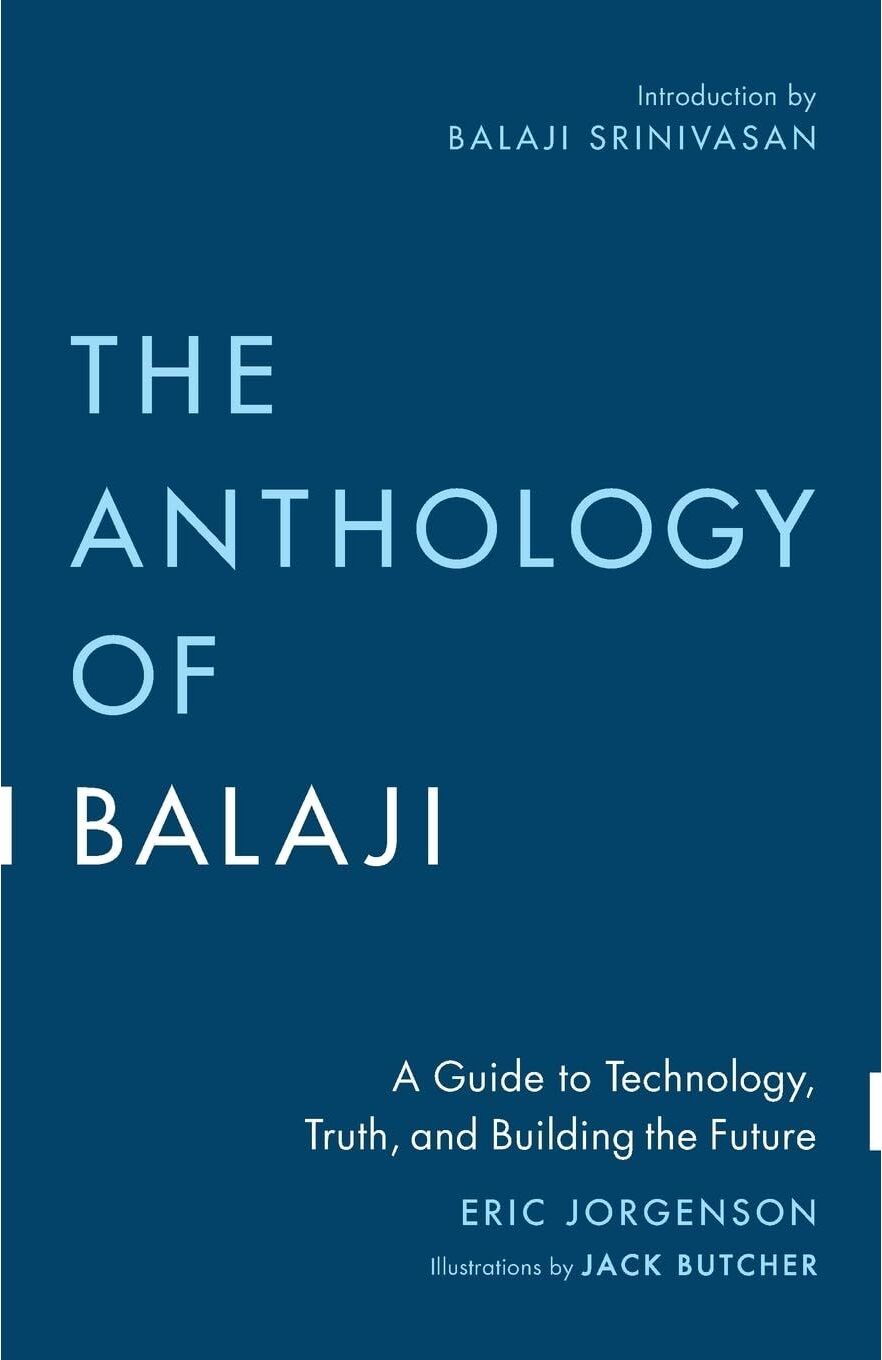
Magrathea Publishing The Anthology of Balaji: A Guide to Technology, Truth, and Building the FutureHow do you thrive in an unknown future? When you can’t see past the world we have now, look to visionaries like Balaji Srinivasan. His ideas show us how to build a healthier, brighter, and more technologically-advanced humanity. In The Anthology of Balaji: A Guide to Technology, Truth, and Building the Future, Eric Jorgenson curates a collection of Balaji’s wisdom from his entire career. In “Technology” you will see how technology shapes our world today and the ways it could shape our future. In “Truth” you learn how to think for yourself through the constant clamor of information and media. Finally, in “Building the Future,” you will learn how to wield Technology and Truth to change your life, change your community, and—maybe—change the future of our species. This guide will help you pick the next great investment, start a billion-dollar company, or even a new country. The Anthology of Balaji helps you visualize and build your brightest future.5,95 £*Shipping: 2,99 £Secure redirect to the provider
-
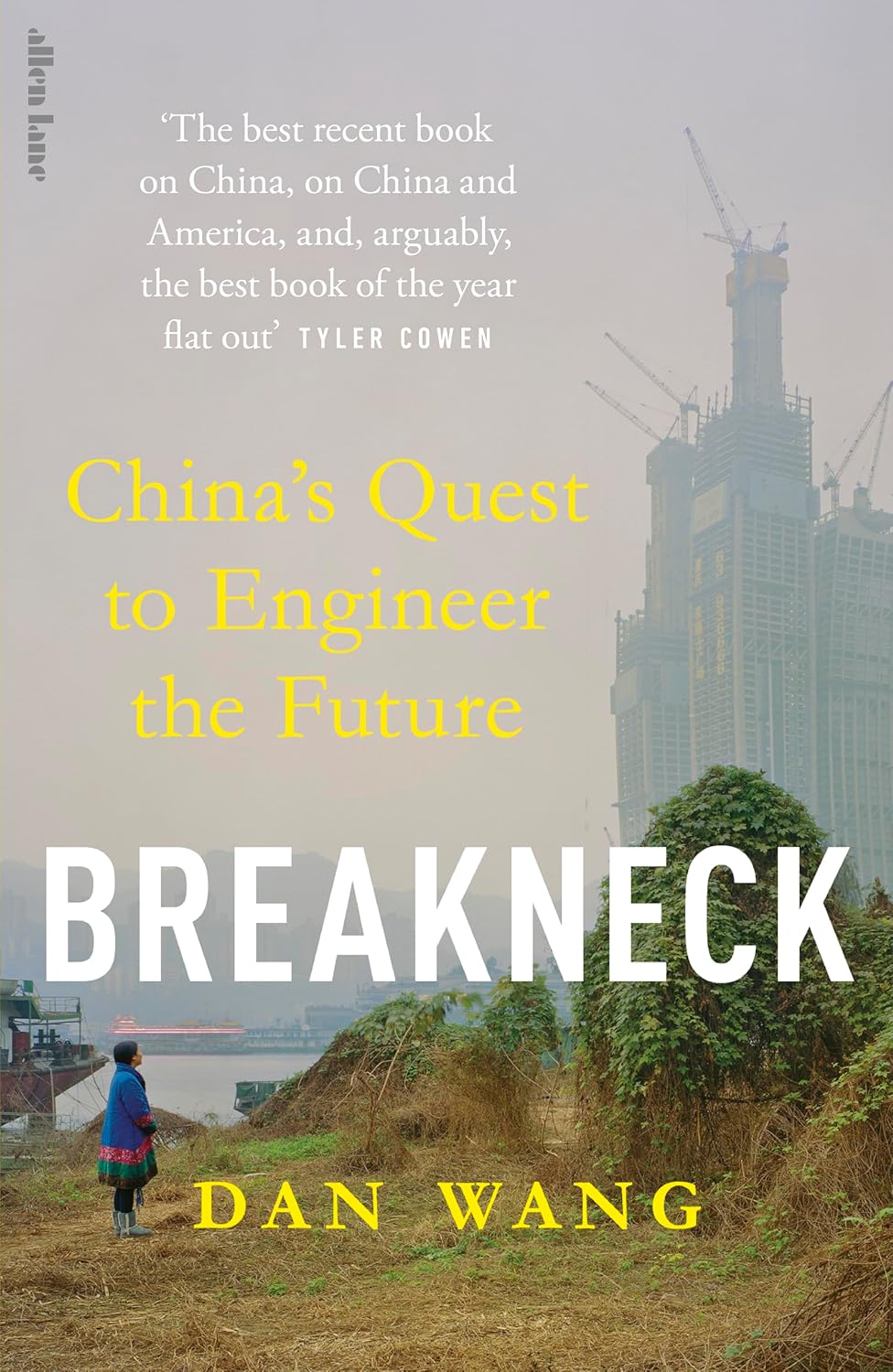
Allen Lane Breakneck: China's Quest to Engineer the Future by Dan Wang - Hardback Non Fiction - China, Technology & Geopolitics - New York Times BestsellerBreakneck is a sharp, firsthand account of China's technological rise, written by Dan Wang, a former Beijing-based analyst who spent nearly a decade observing the country's infrastructure boom up close. Wang argues that China has become an engineering state, building bridges, railways, and factories at astonishing speed, while America has drifted into a society mired in litigation and delay. This book is a timely and provocative exploration of the shifting balance of global power, and why ambition, execution, and infrastructure now define the contest between two superpowers. In Breakneck, Dan Wang draws on his years living in China to explain how the country's engineers-turned-politicians reshaped its economy through sheer scale and speed of execution. He traces the construction of high-speed rail networks, semiconductors, and other key infrastructure projects that have driven China's rapid growth.24,99 £*Shipping: 2,99 £Secure redirect to the provider
-
Does hydrogen have a future for internal combustion engines?
Hydrogen does have a potential future for internal combustion engines, as it can be used as a clean and efficient fuel source. Hydrogen-powered internal combustion engines can produce zero emissions when using renewable sources of hydrogen, making them environmentally friendly. Additionally, hydrogen has a high energy density, which means it can provide a longer driving range compared to traditional gasoline engines. However, there are still challenges to overcome, such as the development of a hydrogen infrastructure and the cost of producing and storing hydrogen. Overall, while there is potential for hydrogen in internal combustion engines, it will require further technological advancements and infrastructure development to become a mainstream option. **
-
What is the future for combustion engines by 2035?
By 2035, combustion engines are likely to face increasing pressure from regulations aimed at reducing carbon emissions and improving air quality. As a result, there may be a shift towards hybrid and electric vehicles, with many countries and manufacturers setting targets to phase out traditional combustion engines. However, it is possible that advancements in technology and the use of alternative fuels could allow combustion engines to continue to play a role in transportation, particularly in certain sectors such as heavy-duty vehicles and long-haul transportation. Overall, the future for combustion engines by 2035 is likely to be one of declining prominence, but they may still have a place in the transportation industry alongside electric and hybrid vehicles. **
-
How much development potential is still left in combustion engine cars?
There is still some development potential left in combustion engine cars, particularly in improving fuel efficiency and reducing emissions. Advances in technology such as turbocharging, direct fuel injection, and variable valve timing have already helped to make combustion engines more efficient. However, further improvements can be made in optimizing engine design, enhancing combustion processes, and incorporating hybrid technology to increase overall efficiency and reduce environmental impact. Despite the potential for further development, the shift towards electric vehicles is gaining momentum as a more sustainable long-term solution. **
-
What is combustion?
Combustion is a chemical reaction that occurs when a substance reacts with oxygen to produce heat and light. This reaction typically involves the rapid oxidation of a fuel source, such as wood, gasoline, or natural gas. Combustion is a key process in many everyday activities, such as burning fuel for transportation, heating homes, and cooking food. It is also a major source of energy production in power plants and engines. **


What is the difference between complete combustion and incomplete combustion?
Complete combustion occurs when a fuel burns in the presence of sufficient oxygen, resulting in the production of carbon dioxide and water as the only byproducts. In contrast, incomplete combustion happens when there is insufficient oxygen present during the burning process, leading to the formation of carbon monoxide, carbon particles, and other harmful pollutants in addition to carbon dioxide and water. Complete combustion is more efficient and cleaner, while incomplete combustion is less efficient and produces more pollutants. **
What is the difference between combustion energy and combustion enthalpy?
Combustion energy refers to the total energy released during a combustion reaction, including both the heat and light energy. It is the total amount of energy released when a substance undergoes combustion. On the other hand, combustion enthalpy refers to the heat energy released during a combustion reaction at constant pressure. It is the heat change that occurs during the combustion process. In summary, combustion energy includes all forms of energy released during combustion, while combustion enthalpy specifically refers to the heat energy released at constant pressure. **
Top-Angebote
Products related to Combustion:
-
Kane KMCP35 Combustion Flexi Probe (CP35)Kane KMCP35 Combustion Flexi Probe (CP35) The Kane CP35 is a combustion probe with a flexible shaft and integral thermocouple, designed to reach awkward access points and test spots where a conventional solid probe won't fit. It has a 300mm flexible shaft, 8mm diameter, and a 1m neoprene hose. This probe is a direct accessory for Kane's 258 and 458s gas analysers. For other Kane models, the Kane SM11103 adapter is needed to ensure compatibility. Key Features & Benefits 300mm Flexible Shaft: Reaches difficult access points a rigid probe can't get into. 8mm Diameter: Slim design for insertion into various flue types. Integral Thermocouple: Simultaneous temperature measurement alongside combustion gas sampling.214,80 £*Shipping: 0,00 £Secure redirect to the provider
-
Sauermann Si-CA 030 Combustion Flue Gas Analyser - KIT2ACSauermann Si-CA 030 Combustion Flue Gas Analyser – KIT2AC The Sauermann Si-CA 030 is a compact combustion flue gas analyser built for heating engineers, gas installers and HVAC technicians carrying out boiler servicing, emissions monitoring and combustion efficiency testing on residential and commercial heating systems. It supports up to three gas sensors — O₂, CO (up to 8,000 ppm), and an optional NO sensor for calculating NOx — giving a comprehensive picture of combustion through CO₂ percentage, combustion efficiency, excess air and draft pressure. The colour display connects wirelessly to a phone via the Sauermann Combustion app, which allows remote control of the analyser, real-time monitoring, data logging and automatic report generation in PDF or CSV formats. Built for field use, the analyser weighs just 350g and comes with a445,13 £*Shipping: 0,00 £Secure redirect to the provider
-
Sauermann Si-CA 130 Elite Combustion Flue Gas AnalyserSauermann Si-CA 130 Elite Combustion Flue Gas Analyser Multi-Gas Combustion Analysis for Residential & Commercial Systems The Sauermann Si-CA 130 Elite is an advanced combustion flue gas analyser in a compact, ergonomic package, built for residential and commercial gas system monitoring. The base unit ships with two field-replaceable sensors — O₂ and CO (up to 8,000 ppm) — with NO or low-range NO available to add a third sensor for accurate NOx measurement, including in low NOx or high moisture environments. Built-in diagnostics such as sensor life indicators and calibration reminders help minimise downtime. The analyser calculates CO₂ percentage, combustion efficiency and excess air, and measures draft and differential pressure. It also monitors CO and CO₂ in ambient air, giving a combined safety and performance tool for combustion e772,44 £*Shipping: 0,00 £Secure redirect to the provider
-
Sauermann Si-CA 130 Elite Combustion Flue Gas Analyser - Printer KitSauermann Si-CA 130 Elite Combustion Flue Gas Analyser – Printer Kit Multi-Gas Combustion Analysis for Residential & Commercial Systems The Sauermann Si-CA 130 Elite Printer Kit is an advanced combustion flue gas analyser in a compact, ergonomic package, built for residential and commercial gas system monitoring. The base unit ships with two field-replaceable sensors — O₂ and CO (up to 8,000 ppm) — with NO or low-range NO available to add a third sensor for accurate NOx measurement, including in low NOx or high moisture environments. Built-in diagnostics such as sensor life indicators and calibration reminders help minimise downtime. The analyser calculates CO₂ percentage, combustion efficiency and excess air, and measures draft and differential pressure. It also monitors CO and CO₂ in ambient air, giving a combined safety and perfo893,35 £*Shipping: 0,00 £Secure redirect to the provider
-
Does the internal combustion engine have a future?
The future of the internal combustion engine is uncertain due to increasing concerns about climate change and the push for cleaner, more sustainable energy sources. Many countries and companies are investing heavily in electric vehicles and other alternative technologies to reduce emissions and dependence on fossil fuels. However, internal combustion engines are still widely used in many industries and applications, so they may continue to play a role in the transportation sector for some time. Ultimately, the future of the internal combustion engine will depend on how quickly and effectively the transition to cleaner technologies can be made. **
-
How much development potential is still in combustion engine cars?
While combustion engine cars have been the dominant technology for decades, there is still some development potential left in them. Manufacturers are continuously working on improving the efficiency and reducing emissions of combustion engines through advancements in technology such as turbocharging, direct injection, and variable valve timing. However, the long-term future of combustion engine cars is uncertain due to the increasing focus on electric vehicles and stricter emissions regulations. As a result, the development potential for combustion engine cars may be limited compared to electric vehicles. **
-
Does hydrogen have a future for internal combustion engines?
Hydrogen does have a potential future for internal combustion engines, as it can be used as a clean and efficient fuel source. Hydrogen-powered internal combustion engines can produce zero emissions when using renewable sources of hydrogen, making them environmentally friendly. Additionally, hydrogen has a high energy density, which means it can provide a longer driving range compared to traditional gasoline engines. However, there are still challenges to overcome, such as the development of a hydrogen infrastructure and the cost of producing and storing hydrogen. Overall, while there is potential for hydrogen in internal combustion engines, it will require further technological advancements and infrastructure development to become a mainstream option. **
-
What is the future for combustion engines by 2035?
By 2035, combustion engines are likely to face increasing pressure from regulations aimed at reducing carbon emissions and improving air quality. As a result, there may be a shift towards hybrid and electric vehicles, with many countries and manufacturers setting targets to phase out traditional combustion engines. However, it is possible that advancements in technology and the use of alternative fuels could allow combustion engines to continue to play a role in transportation, particularly in certain sectors such as heavy-duty vehicles and long-haul transportation. Overall, the future for combustion engines by 2035 is likely to be one of declining prominence, but they may still have a place in the transportation industry alongside electric and hybrid vehicles. **
Similar search terms for Combustion
-
Magrathea Publishing The Anthology of Balaji: A Guide to Technology, Truth, and Building the FutureHow do you thrive in an unknown future? When you can’t see past the world we have now, look to visionaries like Balaji Srinivasan. His ideas show us how to build a healthier, brighter, and more technologically-advanced humanity. In The Anthology of Balaji: A Guide to Technology, Truth, and Building the Future, Eric Jorgenson curates a collection of Balaji’s wisdom from his entire career. In “Technology” you will see how technology shapes our world today and the ways it could shape our future. In “Truth” you learn how to think for yourself through the constant clamor of information and media. Finally, in “Building the Future,” you will learn how to wield Technology and Truth to change your life, change your community, and—maybe—change the future of our species. This guide will help you pick the next great investment, start a billion-dollar company, or even a new country. The Anthology of Balaji helps you visualize and build your brightest future.5,95 £*Shipping: 2,99 £Secure redirect to the provider
-
Allen Lane Breakneck: China's Quest to Engineer the Future by Dan Wang - Hardback Non Fiction - China, Technology & Geopolitics - New York Times BestsellerBreakneck is a sharp, firsthand account of China's technological rise, written by Dan Wang, a former Beijing-based analyst who spent nearly a decade observing the country's infrastructure boom up close. Wang argues that China has become an engineering state, building bridges, railways, and factories at astonishing speed, while America has drifted into a society mired in litigation and delay. This book is a timely and provocative exploration of the shifting balance of global power, and why ambition, execution, and infrastructure now define the contest between two superpowers. In Breakneck, Dan Wang draws on his years living in China to explain how the country's engineers-turned-politicians reshaped its economy through sheer scale and speed of execution. He traces the construction of high-speed rail networks, semiconductors, and other key infrastructure projects that have driven China's rapid growth.24,99 £*Shipping: 2,99 £Secure redirect to the provider
-
Sesderma Reti Age 5 Liposomal Serum Anti-Aging Innovation 30mLA facial serum for wrinkles and signs of ageing. Reduces wrinkles and fine lines. Hydrates and strengthens barrier. Restores youthful radiance. 5-Retinoid System: smooths wrinkles, accelerates renewal, and boosts collagen. Biomimetic Peptides: fill expression lines by stimulating collagen synthesis.53,26 £*Shipping: 5,22 £Secure redirect to the provider
-
Bormioli Rocco Frigoverre Future PitcherBormioli Rocco Frigoverre Future Glass Carafe, 33.75 oz, with Silicone Gasket Lid – Durable Airtight Pitcher for Water, Juice & Wine – Freezer & Microwave Safe – Italian Glass Beverage Server - New Enhance your beverage presentation with the Bormioli…34,49 $*Shipping: 0,00 $Secure redirect to the provider
-
How much development potential is still left in combustion engine cars?
There is still some development potential left in combustion engine cars, particularly in improving fuel efficiency and reducing emissions. Advances in technology such as turbocharging, direct fuel injection, and variable valve timing have already helped to make combustion engines more efficient. However, further improvements can be made in optimizing engine design, enhancing combustion processes, and incorporating hybrid technology to increase overall efficiency and reduce environmental impact. Despite the potential for further development, the shift towards electric vehicles is gaining momentum as a more sustainable long-term solution. **
-
What is combustion?
Combustion is a chemical reaction that occurs when a substance reacts with oxygen to produce heat and light. This reaction typically involves the rapid oxidation of a fuel source, such as wood, gasoline, or natural gas. Combustion is a key process in many everyday activities, such as burning fuel for transportation, heating homes, and cooking food. It is also a major source of energy production in power plants and engines. **
-
What is the difference between complete combustion and incomplete combustion?
Complete combustion occurs when a fuel burns in the presence of sufficient oxygen, resulting in the production of carbon dioxide and water as the only byproducts. In contrast, incomplete combustion happens when there is insufficient oxygen present during the burning process, leading to the formation of carbon monoxide, carbon particles, and other harmful pollutants in addition to carbon dioxide and water. Complete combustion is more efficient and cleaner, while incomplete combustion is less efficient and produces more pollutants. **
-
What is the difference between combustion energy and combustion enthalpy?
Combustion energy refers to the total energy released during a combustion reaction, including both the heat and light energy. It is the total amount of energy released when a substance undergoes combustion. On the other hand, combustion enthalpy refers to the heat energy released during a combustion reaction at constant pressure. It is the heat change that occurs during the combustion process. In summary, combustion energy includes all forms of energy released during combustion, while combustion enthalpy specifically refers to the heat energy released at constant pressure. **
* All prices are inclusive of VAT and, if applicable, plus shipping costs. The offer information is based on the details provided by the respective shop and is updated through automated processes. Real-time updates do not occur, so deviations can occur in individual cases. ** Note: Parts of this content were created by AI.