Buy www3.eu ?
We are moving the project
www3.eu .
Are you interested in purchasing the domain
www3.eu ?
domain@kv-gmbh.de · 0541-91531010
Buy www3.eu ?
How was the economic development in the Soviet Occupation Zone (SBZ)?
The economic development in the Soviet Occupation Zone (SBZ) was characterized by the implementation of a centrally planned economy, similar to the Soviet model. The Soviet authorities nationalized key industries and implemented collectivization of agriculture, aiming to establish a socialist economic system. This led to the consolidation of state control over the economy, with a focus on heavy industry and infrastructure development. However, the SBZ also faced challenges such as shortages of consumer goods and inefficiencies in production, which hindered overall economic growth. **
German-Soviet War fighters
The German-Soviet War fighters were soldiers who fought in the conflict between Nazi Germany and the Soviet Union during World War II. These fighters were part of the massive military operations that took place on the Eastern Front, which was one of the most brutal and deadly theaters of the war. Both sides deployed millions of soldiers, and the fighting resulted in immense casualties and destruction. The German-Soviet War fighters were involved in some of the largest and most significant battles of the war, such as the Battle of Stalingrad and the Siege of Leningrad. **
Similar search terms for Soviet
Top-Angebote
Products related to Soviet:
-
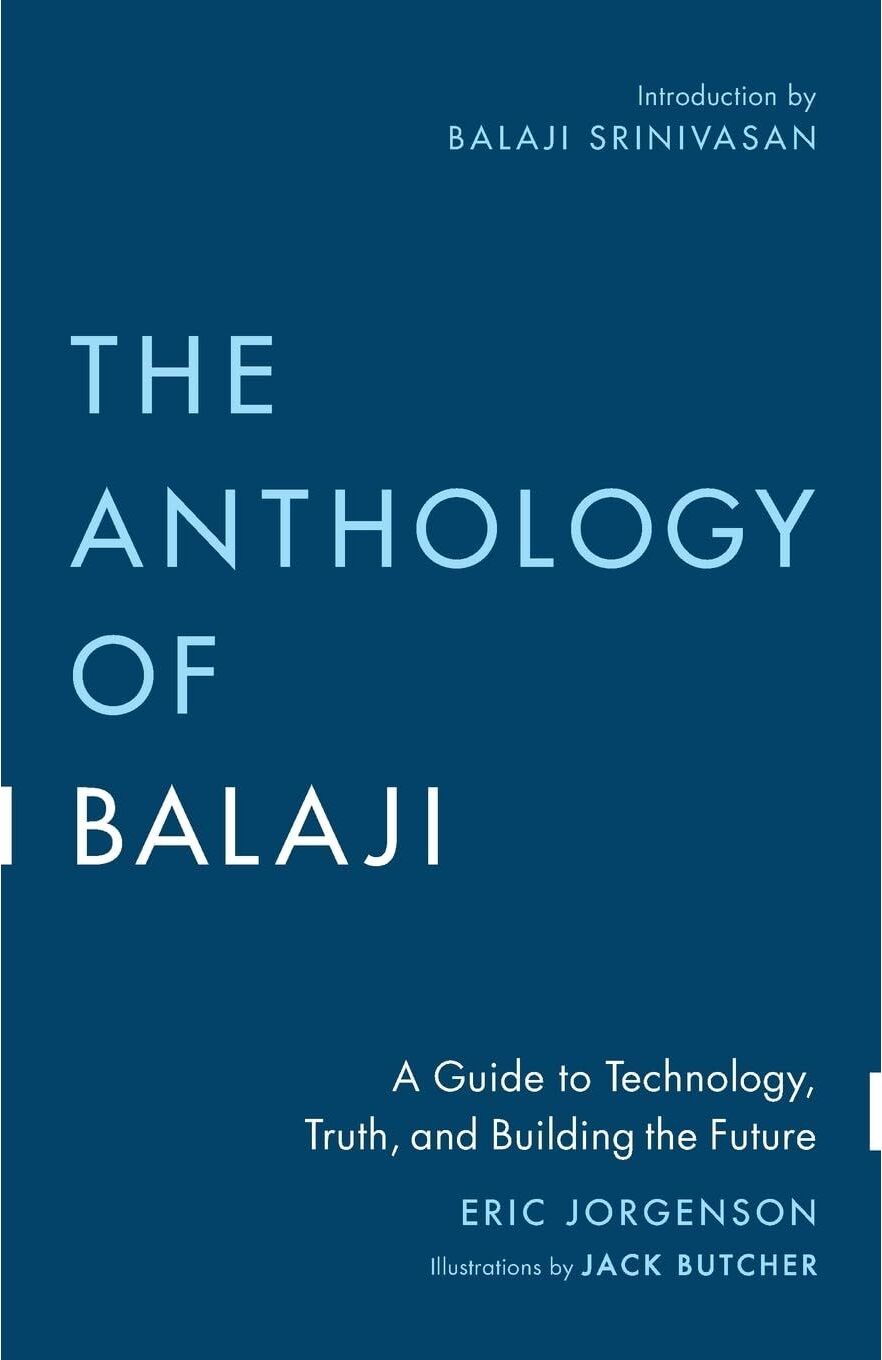
Magrathea Publishing The Anthology of Balaji: A Guide to Technology, Truth, and Building the FutureHow do you thrive in an unknown future? When you can’t see past the world we have now, look to visionaries like Balaji Srinivasan. His ideas show us how to build a healthier, brighter, and more technologically-advanced humanity. In The Anthology of Balaji: A Guide to Technology, Truth, and Building the Future, Eric Jorgenson curates a collection of Balaji’s wisdom from his entire career. In “Technology” you will see how technology shapes our world today and the ways it could shape our future. In “Truth” you learn how to think for yourself through the constant clamor of information and media. Finally, in “Building the Future,” you will learn how to wield Technology and Truth to change your life, change your community, and—maybe—change the future of our species. This guide will help you pick the next great investment, start a billion-dollar company, or even a new country. The Anthology of Balaji helps you visualize and build your brightest future.5,95 £*Shipping: 2,99 £Secure redirect to the provider
-
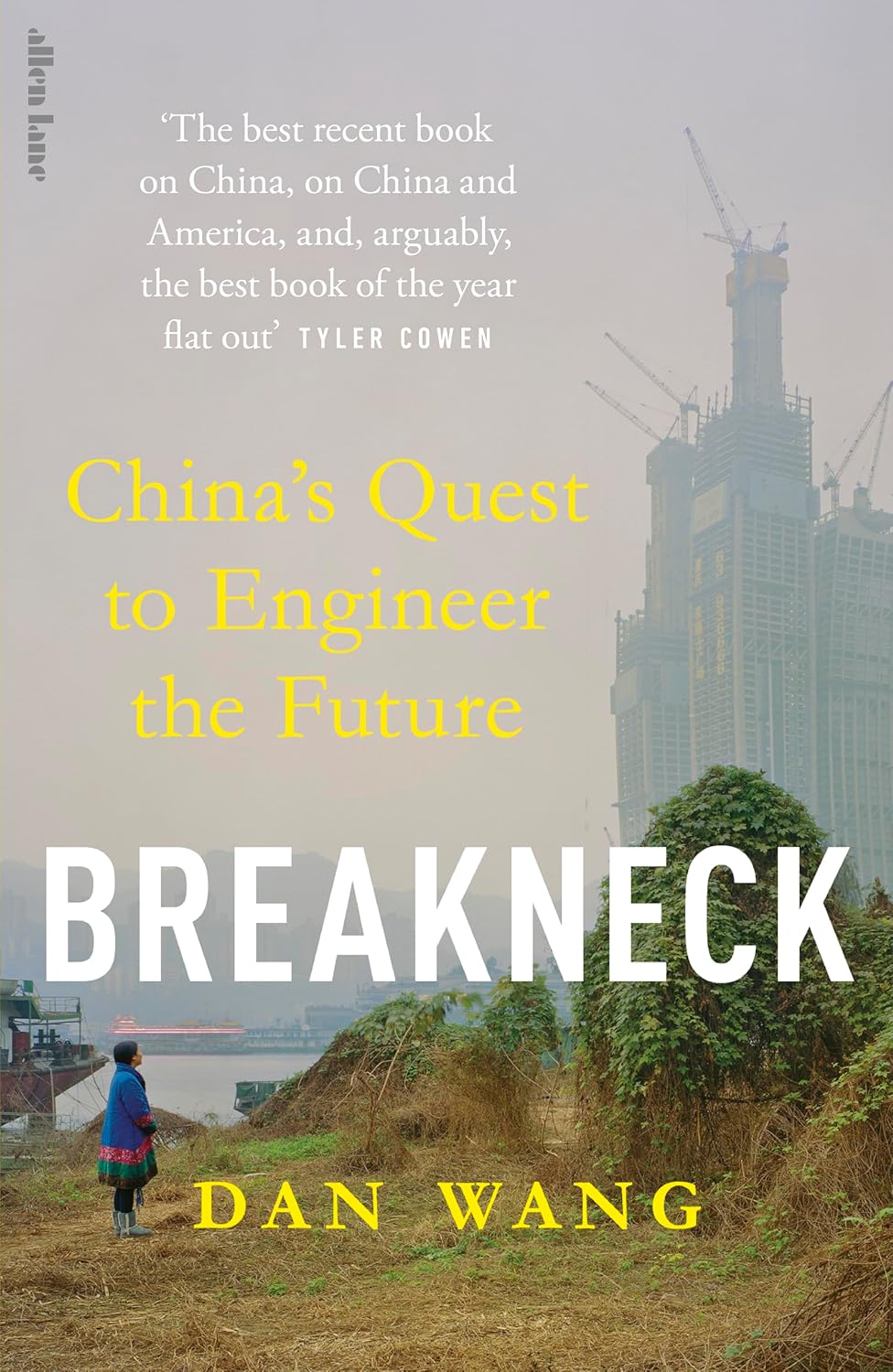
Allen Lane Breakneck: China's Quest to Engineer the Future by Dan Wang - Hardback Non Fiction - China, Technology & Geopolitics - New York Times BestsellerBreakneck is a sharp, firsthand account of China's technological rise, written by Dan Wang, a former Beijing-based analyst who spent nearly a decade observing the country's infrastructure boom up close. Wang argues that China has become an engineering state, building bridges, railways, and factories at astonishing speed, while America has drifted into a society mired in litigation and delay. This book is a timely and provocative exploration of the shifting balance of global power, and why ambition, execution, and infrastructure now define the contest between two superpowers. In Breakneck, Dan Wang draws on his years living in China to explain how the country's engineers-turned-politicians reshaped its economy through sheer scale and speed of execution. He traces the construction of high-speed rail networks, semiconductors, and other key infrastructure projects that have driven China's rapid growth.24,99 £*Shipping: 2,99 £Secure redirect to the provider
-
Sesderma Reti Age 5 Liposomal Serum Anti-Aging Innovation 30mLA facial serum for wrinkles and signs of ageing. Reduces wrinkles and fine lines. Hydrates and strengthens barrier. Restores youthful radiance. 5-Retinoid System: smooths wrinkles, accelerates renewal, and boosts collagen. Biomimetic Peptides: fill expression lines by stimulating collagen synthesis.53,26 £*Shipping: 5,22 £Secure redirect to the provider
-
Bormioli Rocco Frigoverre Future PitcherBormioli Rocco Frigoverre Future Glass Carafe, 33.75 oz, with Silicone Gasket Lid – Durable Airtight Pitcher for Water, Juice & Wine – Freezer & Microwave Safe – Italian Glass Beverage Server - New Enhance your beverage presentation with the Bormioli…34,49 $*Shipping: 0,00 $Secure redirect to the provider


-
What happened to the Soviet Gulags after the Stalin and Soviet era?
After Stalin's death in 1953, the Soviet Gulags continued to exist but were gradually scaled back. Under Nikita Khrushchev's leadership, there was a period of de-Stalinization which led to the release of many political prisoners and the closure of some Gulags. However, the Gulag system was not completely abolished until the collapse of the Soviet Union in 1991. Today, the former Gulag sites serve as memorials to the victims of the repressive system. **
-
Soviet intervention in Afghanistan fighters
Soviet intervention in Afghanistan refers to the military involvement of the Soviet Union in the Afghan Civil War from 1979 to 1989. The Soviet Union sent troops to support the Afghan government against the mujahideen, who were a group of rebel fighters. The intervention was met with strong resistance from the mujahideen, who were supported by various countries, including the United States, through the provision of weapons and training. The conflict resulted in a protracted and costly war for the Soviet Union, ultimately leading to their withdrawal in 1989. **
-
Who was the Soviet Union?
The Soviet Union was a socialist state that existed from 1922 to 1991, encompassing a vast territory in Eastern Europe and Northern Asia. It was founded after the Russian Revolution of 1917 and was ruled by the Communist Party. The Soviet Union was known for its centralized government, planned economy, and strict control over its citizens' lives. It played a major role in World War II and was a superpower rival to the United States during the Cold War. **
-
What is a soviet republic?
A soviet republic is a form of government that was established in the former Soviet Union and other communist countries. It is a system in which power is held by workers' councils, known as soviets, which are elected by the people. These soviets are responsible for making decisions on behalf of the population and are meant to represent the interests of the working class. The soviet republics were intended to be a more democratic and egalitarian form of government, but in practice, they often became dominated by the ruling communist party. **


How did the Soviet Union collapse?
The collapse of the Soviet Union can be attributed to a combination of internal and external factors. Internally, economic stagnation, political repression, and ethnic tensions weakened the Soviet system. Externally, the arms race with the United States and the costly war in Afghanistan strained the Soviet economy. Additionally, the policies of Soviet leader Mikhail Gorbachev, such as glasnost (openness) and perestroika (restructuring), inadvertently led to the loosening of control over Eastern European countries and ultimately the dissolution of the Soviet Union in 1991. **
Why did the Soviet Union collapse?
The collapse of the Soviet Union can be attributed to a combination of internal and external factors. Internally, the Soviet economy was struggling due to inefficiency, corruption, and a lack of innovation. The political system was also losing legitimacy, as people grew disillusioned with the oppressive regime. Externally, the arms race with the United States and the costly war in Afghanistan drained Soviet resources. Additionally, the policies of Mikhail Gorbachev, such as glasnost and perestroika, inadvertently accelerated the collapse by opening up the system to greater scrutiny and dissent. **
Top-Angebote
Products related to Soviet:
-
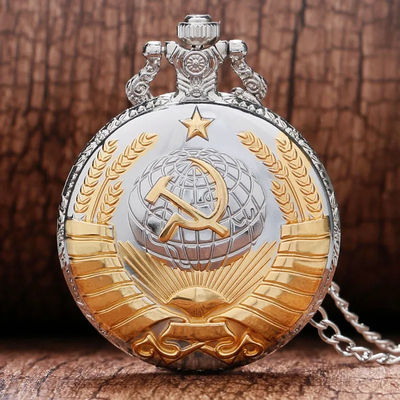
ModernMart Vintage Soviet Hammer Sickle Pocket Watch Bronze Pendant Gift silverExperience a bold piece of history with this striking vintage pocket watch that blends timeless craftsmanship with iconic symbolism. Designed for collectors, history enthusiasts, and styleconscious individuals, this Soviet hammer sickle watch makes...34,97 $*Shipping: 0,00 $Secure redirect to the provider
-
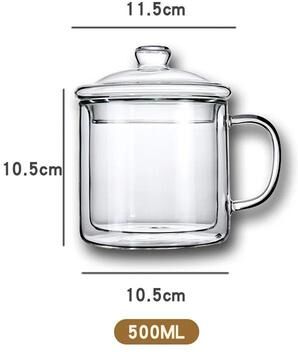
Uplift Essentials Retro Soviet Double Walled Glass Coffee Mug With Handle 500mlEmbrace a classic aesthetic with a modern twist with this double walled glass coffee mug. Inspired by retro Soviet design, these mugs offer a unique vintage look combined with the superior insulation of highquality glassware. The specialized...62,97 $*Shipping: 0,00 $Secure redirect to the provider
-
Magrathea Publishing The Anthology of Balaji: A Guide to Technology, Truth, and Building the FutureHow do you thrive in an unknown future? When you can’t see past the world we have now, look to visionaries like Balaji Srinivasan. His ideas show us how to build a healthier, brighter, and more technologically-advanced humanity. In The Anthology of Balaji: A Guide to Technology, Truth, and Building the Future, Eric Jorgenson curates a collection of Balaji’s wisdom from his entire career. In “Technology” you will see how technology shapes our world today and the ways it could shape our future. In “Truth” you learn how to think for yourself through the constant clamor of information and media. Finally, in “Building the Future,” you will learn how to wield Technology and Truth to change your life, change your community, and—maybe—change the future of our species. This guide will help you pick the next great investment, start a billion-dollar company, or even a new country. The Anthology of Balaji helps you visualize and build your brightest future.5,95 £*Shipping: 2,99 £Secure redirect to the provider
-
Allen Lane Breakneck: China's Quest to Engineer the Future by Dan Wang - Hardback Non Fiction - China, Technology & Geopolitics - New York Times BestsellerBreakneck is a sharp, firsthand account of China's technological rise, written by Dan Wang, a former Beijing-based analyst who spent nearly a decade observing the country's infrastructure boom up close. Wang argues that China has become an engineering state, building bridges, railways, and factories at astonishing speed, while America has drifted into a society mired in litigation and delay. This book is a timely and provocative exploration of the shifting balance of global power, and why ambition, execution, and infrastructure now define the contest between two superpowers. In Breakneck, Dan Wang draws on his years living in China to explain how the country's engineers-turned-politicians reshaped its economy through sheer scale and speed of execution. He traces the construction of high-speed rail networks, semiconductors, and other key infrastructure projects that have driven China's rapid growth.24,99 £*Shipping: 2,99 £Secure redirect to the provider
-
How was the economic development in the Soviet Occupation Zone (SBZ)?
The economic development in the Soviet Occupation Zone (SBZ) was characterized by the implementation of a centrally planned economy, similar to the Soviet model. The Soviet authorities nationalized key industries and implemented collectivization of agriculture, aiming to establish a socialist economic system. This led to the consolidation of state control over the economy, with a focus on heavy industry and infrastructure development. However, the SBZ also faced challenges such as shortages of consumer goods and inefficiencies in production, which hindered overall economic growth. **
-
German-Soviet War fighters
The German-Soviet War fighters were soldiers who fought in the conflict between Nazi Germany and the Soviet Union during World War II. These fighters were part of the massive military operations that took place on the Eastern Front, which was one of the most brutal and deadly theaters of the war. Both sides deployed millions of soldiers, and the fighting resulted in immense casualties and destruction. The German-Soviet War fighters were involved in some of the largest and most significant battles of the war, such as the Battle of Stalingrad and the Siege of Leningrad. **
-
What happened to the Soviet Gulags after the Stalin and Soviet era?
After Stalin's death in 1953, the Soviet Gulags continued to exist but were gradually scaled back. Under Nikita Khrushchev's leadership, there was a period of de-Stalinization which led to the release of many political prisoners and the closure of some Gulags. However, the Gulag system was not completely abolished until the collapse of the Soviet Union in 1991. Today, the former Gulag sites serve as memorials to the victims of the repressive system. **
-
Soviet intervention in Afghanistan fighters
Soviet intervention in Afghanistan refers to the military involvement of the Soviet Union in the Afghan Civil War from 1979 to 1989. The Soviet Union sent troops to support the Afghan government against the mujahideen, who were a group of rebel fighters. The intervention was met with strong resistance from the mujahideen, who were supported by various countries, including the United States, through the provision of weapons and training. The conflict resulted in a protracted and costly war for the Soviet Union, ultimately leading to their withdrawal in 1989. **
Similar search terms for Soviet
-
Sesderma Reti Age 5 Liposomal Serum Anti-Aging Innovation 30mLA facial serum for wrinkles and signs of ageing. Reduces wrinkles and fine lines. Hydrates and strengthens barrier. Restores youthful radiance. 5-Retinoid System: smooths wrinkles, accelerates renewal, and boosts collagen. Biomimetic Peptides: fill expression lines by stimulating collagen synthesis.53,26 £*Shipping: 5,22 £Secure redirect to the provider
-
Bormioli Rocco Frigoverre Future PitcherBormioli Rocco Frigoverre Future Glass Carafe, 33.75 oz, with Silicone Gasket Lid – Durable Airtight Pitcher for Water, Juice & Wine – Freezer & Microwave Safe – Italian Glass Beverage Server - New Enhance your beverage presentation with the Bormioli…34,49 $*Shipping: 0,00 $Secure redirect to the provider
-
3M Future Soft Cervical CollarHealth and Beauty Orthopedics 3M Future Soft Cervical Collar Provides comfort and support for stiff and injured necks. Ideal for: Use as directed by a doctor: neck impingement or stiffness; increased comfort after whiplash. Adjustable girth and height for a personalized fit. Comfortable for use day or night.23,10 £*Shipping: 4,99 £Secure redirect to the provider
-
ModernMart Vintage Soviet Hammer Sickle Pocket Watch Bronze Pendant Gift bronzeExperience a bold piece of history with this striking vintage pocket watch that blends timeless craftsmanship with iconic symbolism. Designed for collectors, history enthusiasts, and styleconscious individuals, this Soviet hammer sickle watch makes...34,97 $*Shipping: 0,00 $Secure redirect to the provider
-
Who was the Soviet Union?
The Soviet Union was a socialist state that existed from 1922 to 1991, encompassing a vast territory in Eastern Europe and Northern Asia. It was founded after the Russian Revolution of 1917 and was ruled by the Communist Party. The Soviet Union was known for its centralized government, planned economy, and strict control over its citizens' lives. It played a major role in World War II and was a superpower rival to the United States during the Cold War. **
-
What is a soviet republic?
A soviet republic is a form of government that was established in the former Soviet Union and other communist countries. It is a system in which power is held by workers' councils, known as soviets, which are elected by the people. These soviets are responsible for making decisions on behalf of the population and are meant to represent the interests of the working class. The soviet republics were intended to be a more democratic and egalitarian form of government, but in practice, they often became dominated by the ruling communist party. **
-
How did the Soviet Union collapse?
The collapse of the Soviet Union can be attributed to a combination of internal and external factors. Internally, economic stagnation, political repression, and ethnic tensions weakened the Soviet system. Externally, the arms race with the United States and the costly war in Afghanistan strained the Soviet economy. Additionally, the policies of Soviet leader Mikhail Gorbachev, such as glasnost (openness) and perestroika (restructuring), inadvertently led to the loosening of control over Eastern European countries and ultimately the dissolution of the Soviet Union in 1991. **
-
Why did the Soviet Union collapse?
The collapse of the Soviet Union can be attributed to a combination of internal and external factors. Internally, the Soviet economy was struggling due to inefficiency, corruption, and a lack of innovation. The political system was also losing legitimacy, as people grew disillusioned with the oppressive regime. Externally, the arms race with the United States and the costly war in Afghanistan drained Soviet resources. Additionally, the policies of Mikhail Gorbachev, such as glasnost and perestroika, inadvertently accelerated the collapse by opening up the system to greater scrutiny and dissent. **
* All prices are inclusive of VAT and, if applicable, plus shipping costs. The offer information is based on the details provided by the respective shop and is updated through automated processes. Real-time updates do not occur, so deviations can occur in individual cases. ** Note: Parts of this content were created by AI.